Ever wondered how industries preserve perishable goods? Cold rooms are the answer! They maintain low temperatures, vital for food, pharmaceuticals, and more. In this post, you'll learn about installation requirements for efficient cold room setups, ensuring optimal performance across various sectors.
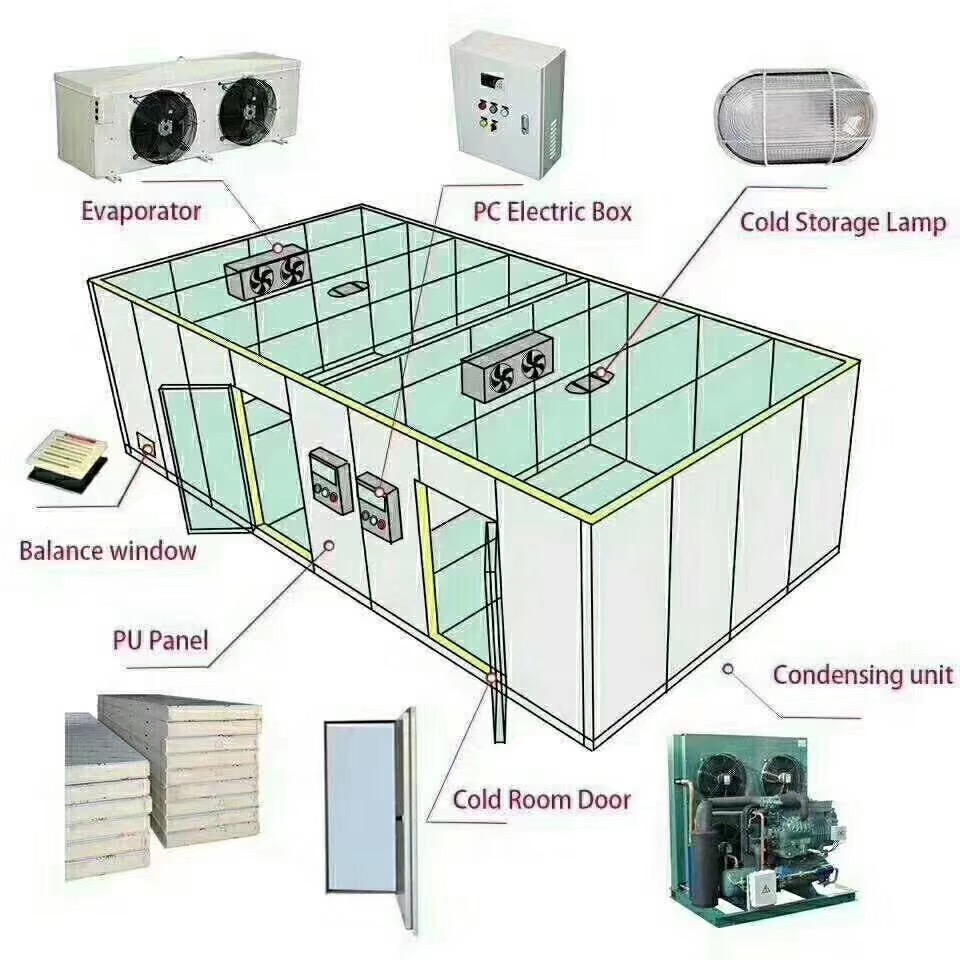
Understanding Cold Rooms
What is a Cold Room?
A cold room is a specially built, insulated space designed to keep temperatures low and stable. It maintains a controlled environment, usually between 0°C and 5°C, ideal for preserving perishable goods, pharmaceuticals, or sensitive materials. The insulation and refrigeration systems work together to prevent temperature fluctuations, ensuring stored items remain fresh and safe.
Types of Cold Rooms
Cold rooms come in various types, tailored to specific needs:
Prefabricated Cold Rooms: These are ready-made units assembled from insulated sandwich panels. They can be installed quickly and often disassembled for relocation. Panels typically feature polyurethane insulation, offering excellent thermal resistance.
Custom-Built Cold Rooms: Constructed on-site using insulated panels or other materials, these rooms can be designed to fit unique dimensions and requirements. They allow more flexibility but require precise installation to avoid thermal bridges.
Modular Cold Rooms: These combine elements of prefabricated and custom-built types. Modular panels and components can be added or removed, making it easier to expand or modify the space.
Ultra-Low Temperature Cold Rooms: Designed for temperatures well below freezing, these are used in pharmaceutical or laboratory settings for storing vaccines or biological samples.
Each type uses specific insulation materials, refrigeration units, and structural designs to meet its purpose effectively.
Applications Across Industries
Cold rooms serve many sectors, thanks to their ability to maintain consistent low temperatures:
Food Industry: Essential for storing fruits, vegetables, dairy, meat, and seafood. They help extend shelf life and reduce spoilage.
Pharmaceuticals: Crucial for preserving temperature-sensitive medicines, vaccines, and biological samples, ensuring their potency and safety.
Laboratories: Used to maintain controlled environments for experiments, specimen storage, and chemical preservation.
Floral Industry: Keeps flowers fresh by slowing down their metabolic processes.
Chemical Storage: Some chemicals require low temperatures for stability and safety.
Their versatility makes cold rooms indispensable in any industry where temperature control is vital.
Design Considerations for Cold Rooms
Insulation Requirements
Insulation plays a vital role in keeping the cold room’s temperature steady. It slows down heat transfer from outside, reducing energy use and preventing temperature swings. Common insulation materials include polyurethane foam, polystyrene, and mineral wool. Polyurethane offers excellent thermal resistance and durability, making it a popular choice. Panels made from these materials often come in sandwich form, combining insulation core between metal sheets for strength.
Proper thickness depends on the cold room’s temperature range and climate. Thicker panels provide better insulation but add weight and cost. Avoid thermal bridges—areas where heat can leak through metal fasteners or joints—by using special sealants and careful panel installation techniques. For example, sealing joints with glass glue and fixing panels with angle aluminum helps maintain airtightness and prevents cold loss.
Flooring and Structural Integrity
The floor must support heavy loads like pallets, trolleys, or forklifts without damage. Reinforced concrete floors are common due to strength and ease of cleaning. The surface should be smooth, non-slip, and resistant to moisture, as condensation can form inside cold rooms.
Structural integrity ensures the cold room remains stable over time. The foundation must be level and strong enough to support the insulated panels and refrigeration equipment. Gaps between walls, floors, and ceilings should be minimized to prevent air leaks. Sometimes, a small gap is left between the roof and walls to allow for panel expansion and contraction without damage.
Refrigeration System Components
The refrigeration system is the cold room’s heart. It consists of compressors, condensers, evaporators, and expansion valves. Choosing components that match the cold room size and temperature needs is crucial. For example, hermetic or semi-hermetic compressors paired with oil separators help maintain system efficiency and reliability.
Unit coolers (evaporators) should be positioned to allow good air circulation, avoiding cold or hot spots. Suspension bolts must be tight, and any holes sealed to prevent air leakage and cold bridges. For heavy evaporators, support beams like angle irons distribute the load to wall panels, preventing structural strain.
Lighting and Energy Efficiency
Lighting inside cold rooms should provide enough visibility without generating excess heat. LED lights are ideal as they produce minimal heat and work well in low temperatures. Position lights to avoid direct exposure to stored goods, reducing temperature fluctuations.
Energy efficiency extends beyond lighting. Insulation quality, door seals, and refrigeration system design all contribute. Using energy-efficient compressors and properly sizing equipment reduces electricity bills. Proper maintenance, like cleaning coils and checking refrigerant levels, keeps the system running smoothly.
Installation Requirements
Site Preparation and Foundation
Proper site preparation forms the foundation of a successful cold room installation. The ground must be level and clean, free from debris or moisture that could affect panel placement or structural stability. A strong, flat foundation supports the insulated panels and refrigeration equipment, preventing uneven settling or damage over time. Concrete slabs are common due to their durability and ease of maintenance. Before installation, ensure the site complies with local building codes and allows sufficient space for equipment access and maintenance.
Cold Room Panel Installation
Handling panels carefully during installation is critical to avoid damage. Panels should be counted and checked against the materials list before assembly. Use anti-scratch layers between panels and the ground to protect surfaces. When assembling, maintain a small gap between the wall and roof to allow for expansion and contraction. Seal all joints with glass glue before fixing panels with angle aluminum to ensure airtightness and prevent cold air leaks. Rivets should be spaced about 300mm apart for secure fastening. Around door edges, leave a 100mm gap to accommodate door movement and seals. Keeping the environment clean during installation helps avoid contamination and ensures better adhesion of sealants.
Refrigeration Unit Setup
Refrigeration units require precise installation to function efficiently. Compressors—whether hermetic or semi-hermetic—should be mounted on shock-absorbing rubber seats to reduce vibration and noise. Oil separators are necessary for compressors operating below -15°C to maintain lubrication and system longevity. Leave adequate space around units for maintenance and inspection. High-pressure gauges should be installed at the liquid storage valve tee for easy monitoring. Position units thoughtfully to ensure consistent airflow and avoid hot or cold spots. Uniform color and neat layout of components help with system identification and troubleshooting.
Power Distribution and Electrical Systems
Electrical installation must follow safety standards and be designed for the cold room's load requirements. Each electrical contact should be clearly numbered for easy maintenance. The control box must be installed in a dry, well-lit area and connected properly for no-load testing. Secure all wiring with binding wire or clips, ensuring tight connections to prevent shorts or disconnections. Use conduit piping for wiring with no more than 50% fill capacity to avoid overheating. Ground wires are essential; if absent, install them to prevent electrical hazards. Avoid exposing wires to sunlight or harsh weather to reduce aging and risk of failure. The entire electrical setup should be neat, secure, and compliant with regulations.
Technical Installation Details
Refrigeration Pipeline Specifications
Choosing the right size for copper pipes is essential. They must match the suction and discharge valve sizes on the compressor exactly. When the condenser sits more than 3 meters away from the compressor, increasing the pipe diameter helps maintain efficiency. Keep at least 400mm space between the condenser suction side and any wall, and a minimum of 3 meters between the outlet and obstacles. The liquid storage tank’s inlet and outlet pipes should follow the unit’s marked pipe sizes.
Avoid undersized suction and return pipelines to reduce internal resistance. When assembling the regulating station, bevel each liquid discharge pipe at 45 degrees and insert it at the bottom end, while the liquid inlet pipe should enter at one-quarter of its diameter. Pipes for exhaust and return gas must slope towards the compressor to ensure smooth oil return and prevent gas cooling issues. If the condenser is higher than the compressor, slope the discharge pipe upwards and install a liquid ring at the compressor’s discharge port to prevent liquid compression during startup.
The evaporator’s gas return pipe outlet requires a U-bend to aid oil return. Expansion valves should be near the evaporator, installed horizontally with the valve body vertical, paying attention to liquid flow direction. Filters may be needed on compressor return lines to keep dirt out and remove moisture.
Before fastening, lubricate all nuts and bolts with refrigeration oil for a tight seal. After assembly, wipe clean and ensure all door roots are sealed tightly. Wrap the expansion valve’s temperature sensor package in double-layer insulation and fasten it 100-200mm from the evaporator outlet.
The entire refrigeration pipeline layout should be neat and consistent in color, avoiding uneven heights or crossings.
Unit Cooler Installation
Select the hanging points for unit coolers where air circulation is best, considering the cold room’s structure. Maintain a gap between the evaporator and panels greater than the evaporator’s thickness to avoid cold bridges. Tighten all suspension bolts securely and seal bolt holes to prevent air leaks.
For heavy ceiling evaporators, support beams like No.4 or No.5 angle iron should span across to adjacent panels, distributing weight and preventing structural strain.
Commissioning the Refrigeration System
Start by measuring power supply voltage and checking compressor winding resistance and motor insulation. Test opening and closing of all valves. After evacuation, charge the liquid storage tank to 70-80% refrigerant capacity, then start the compressor and add refrigerant gradually through the low-pressure side until full.
Listen closely to the compressor’s sound for abnormalities. Check condenser and air cooler operation, ensuring stable three-phase current. Once temperature stabilizes, monitor exhaust and suction pressures, temperatures at various points, motor and crankcase temperatures, and expansion valve performance. Observe evaporator frosting and oil level and color in the sight glass. Adjust expansion valve settings based on frosting and use conditions.
Safety and Compliance Standards
Installation must follow local electrical and building codes. Use shock-absorbing mounts for compressors to reduce vibration and noise. Electrical wiring should be labeled clearly, secured tightly, and protected from environmental damage. Ground wires are mandatory for safety.
Ensure refrigeration pipelines and components are sealed properly to prevent leaks. Use approved refrigerants and handle them according to safety guidelines. Maintain clearances around equipment for safe maintenance access.
Regular inspections and adherence to standards help avoid hazards and maintain system efficiency. Proper commissioning confirms the system operates within designed parameters, ensuring long-term reliability.
Maintenance and Operational Guidelines
Routine Inspection and Cleaning
Regular inspections keep cold rooms running smoothly. Check insulation panels for cracks or gaps that let warm air in. Look over door seals; damaged seals cause energy loss and temperature swings. Clean floors and walls often to prevent mold or bacteria buildup. Dust and dirt on refrigeration coils reduce efficiency, so clean them carefully. Clear drains to avoid water pooling, which can cause slippery floors or damage. Make inspection a habit, ideally weekly, to catch problems early and avoid costly repairs.
Temperature and Humidity Control
Maintaining stable temperature and humidity is key to preserving stored goods. Use reliable thermostats and sensors placed away from doors or vents to get accurate readings. Monitor data regularly, adjusting settings if needed. Humidity control prevents condensation that can lead to frost or product spoilage. Installing a dehumidifier or ventilation system helps keep moisture in check. Avoid frequent door openings, which cause temperature fluctuations. Staff training on proper door use and loading practices helps maintain consistent conditions.
Energy Efficiency Practices
Energy costs can add up, so efficiency matters. Keep door seals tight and replace worn gaskets promptly. Use LED lighting inside the cold room to reduce heat generation and save power. Schedule defrost cycles during off-peak hours to minimize energy spikes. Regularly service compressors and fans to ensure they run efficiently. Insulation integrity is crucial—repair any damaged panels immediately. Consider installing variable speed drives on motors to match cooling needs dynamically. These steps lower operational costs and extend equipment life.
Troubleshooting Common Issues
Cold rooms may face issues like uneven cooling, frost buildup, or strange noises. Uneven temperature often signals poor air circulation; check fan operation and clear blockages. Frost on evaporators may mean a defrost cycle failure or door left open too long. Strange compressor sounds could indicate mechanical wear or refrigerant problems. If temperatures rise suddenly, inspect door seals and check for refrigerant leaks. Always consult the system manual or a qualified technician for complex faults. Promptly addressing problems avoids product loss and costly downtime.
Conclusion
This maintenance guide helps keep cold rooms efficient and reliable. Regular care, monitoring, and quick troubleshooting protect your investment and ensure optimal storage conditions.Proper installation of cold rooms involves meticulous site preparation, careful panel assembly, precise refrigeration setup, and secure electrical systems. Ensuring these elements are correctly implemented guarantees efficient performance and reliability. Tianjin First Cold Chain Equipment Co. Ltd provides high-quality cold room solutions designed for optimal temperature control and energy efficiency, offering significant value to industries reliant on temperature-sensitive storage. Their expertise ensures that every installation meets rigorous standards, safeguarding your products and enhancing operational efficiency.
FAQ
Q: What is a cold room?
A: A cold room is an insulated space designed to maintain low, stable temperatures for preserving perishable goods and sensitive materials.
Q: What types of cold rooms are available?
A: Types include prefabricated, custom-built, modular, and ultra-low temperature cold rooms, each tailored to specific needs.
Q: What industries use cold rooms?
A: Cold rooms are used in the food, pharmaceutical, laboratory, floral, and chemical industries for temperature-controlled storage.
Q: How can I ensure energy efficiency in a cold room?
A: Use LED lighting, maintain insulation, service equipment regularly, and optimize door seals to enhance energy efficiency.